
Risk Management in Forex Trading: The Key to Long-Term Success
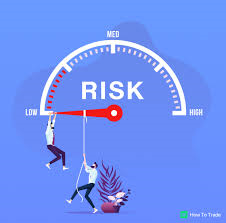
Risk management is the backbone of successful Forex trading. While many traders focus heavily on strategies, indicators, and market analysis, it is risk management that ultimately determines whether a trader survives and grows in the market—or loses their capital. In the highly volatile Forex market, even the best strategy can fail without proper risk control.
What Is Risk Management in Forex Trading?
Risk management refers to the set of rules and techniques traders use to limit potential losses while protecting trading capital. It helps traders stay disciplined, avoid emotional decisions, and maintain consistency over time. The primary goal is not to eliminate losses (which are inevitable), but to ensure losses are small and manageable.
Why Risk Management Is Important
Forex trading involves leverage, which can amplify both profits and losses. Without a clear risk management plan:
- A few bad trades can wipe out your account
- Emotional trading increases
- Long-term profitability becomes impossible
Proper risk management allows traders to stay in the game long enough to benefit from winning trades.
Key Elements of Forex Risk Management
1. Risk Per Trade
A common rule is to risk only 1–2% of your trading capital per trade. For example, if you have a $1,000 account, you should not risk more than $10–$20 on a single trade. This protects your account from major drawdowns.
2. Stop-Loss Orders
A stop-loss is a predefined price level where a trade is automatically closed to prevent further loss. Using stop-loss orders:
- Protects capital
- Removes emotional decision-making
- Keeps losses consistent
Every trade should have a stop-loss before execution.
3. Risk-to-Reward Ratio
The risk-to-reward ratio compares how much you are risking versus how much you expect to gain. A healthy ratio is 1:2 or higher, meaning you risk $1 to make $2 or more. Even with a lower win rate, traders can remain profitable using good risk-to-reward setups.
4. Position Sizing
Position sizing determines how large your trade should be based on your stop-loss and risk percentage. Correct position sizing ensures that no single trade can significantly damage your account.
5. Avoid Over-Trading
Over-trading often leads to poor decisions and unnecessary losses. Quality trades matter more than quantity. Stick to your trading plan and only trade when clear setups appear.
6. Control Trading Psychology
Fear, greed, and impatience are major enemies in Forex trading. Strong risk management helps traders stay calm during losses and disciplined during winning streaks. Emotional control is just as important as technical analysis.
Common Risk Management Mistakes
- Trading without a stop-loss
- Risking too much on one trade
- Revenge trading after losses
- Increasing lot size emotionally
- Ignoring market conditions
Avoiding these mistakes can dramatically improve trading performance.
Final Thoughts
Risk management is not optional—it is essential. Traders who focus on preserving capital and managing risk consistently outperform those who chase quick profits. Mastering risk management builds confidence, discipline, and long-term profitability in Forex trading.
Remember: Protect your capital first. Profits will follow.